
Yang Wood (甲)
甲 · One of the 10 Heavenly Stems
Yang Wood (Jia) (甲) is one of the Ten Heavenly Stems (天干) in Chinese astrology. It represents Wood energy in its Yang form — the fundamental building block of your Day Master and personality core.
Yang Wood's core identity is upright and protective. Like a towering pine, it grows slowly but becomes unmovable. Its strength lies in resilience and integrity, not speed.
In career, Yang Wood needs autonomy to thrive. It flourishes as a visionary leader or independent contributor. Micromanagement feels like an axe to its trunk.
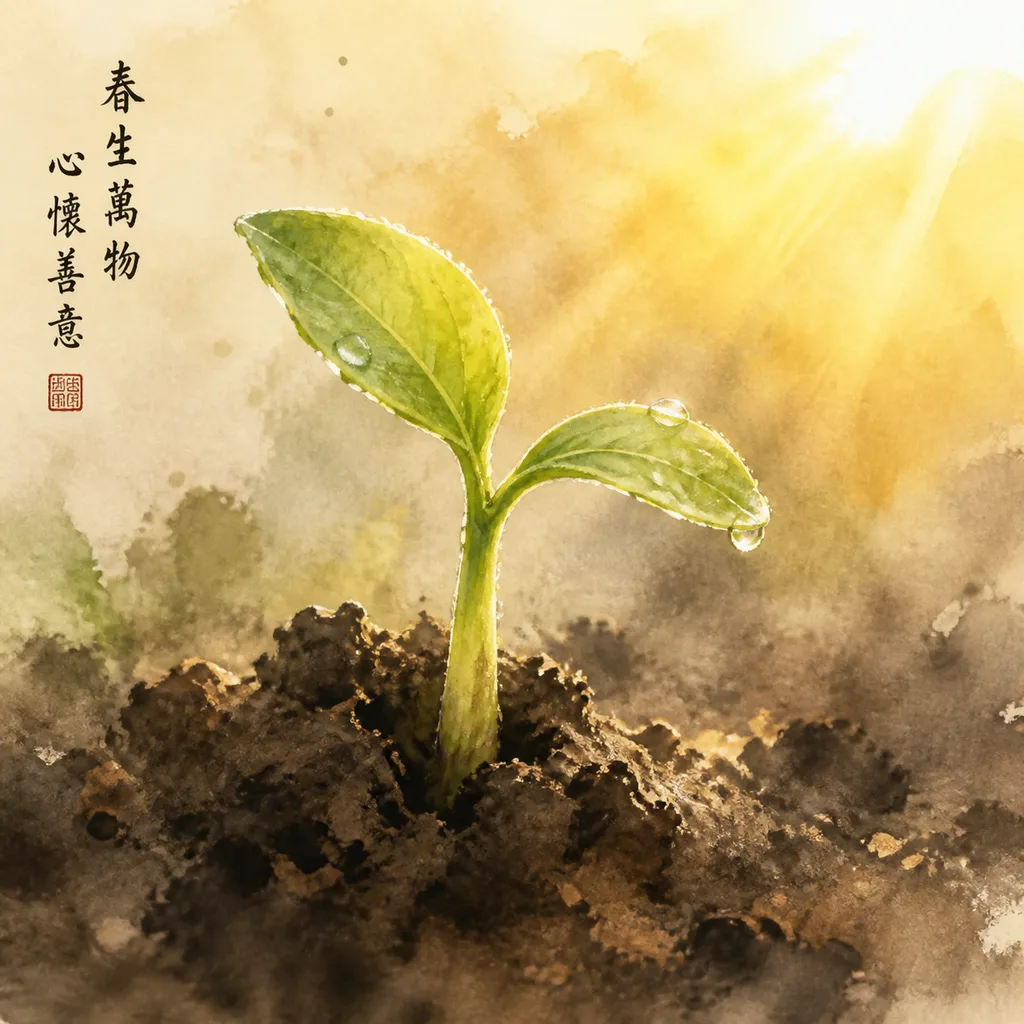
Culturally, Jia is the seed of beginnings. Embrace youthful folly and the drive to push upward. Balance your towering ambition with the flexibility to bend.
Quick Facts: Yang Wood
| Chinese Character | 甲 (Jia) |
| Element | Wood |
| Polarity | Yang |
| Season | Early Spring |
| Direction | East |
| Associated Organ | Liver and Gallbladder |
| Elemental Color | Green |
| Combination | Ji (Yin Earth) to transform into Earth energy |
| Clash | Geng (Yang Metal) — the axe that would fell the tree |
| I Ching | Hexagram 4 (Meng / Youthful Folly) and Hexagram 46 (Sheng / Pushing Upward) |
The Nature of Yang Wood (Jia)
Jia (甲), the Yang Wood stem, embodies the towering pine — upright, unyielding, oriented skyward. Where Yin Wood (Yi) curls and adapts, Jia stands. Its season is early spring, when the first shoots break frozen ground with irresistible force. Jia people carry this breakthrough energy: they are pioneers, founders, and straight-talkers who value principle over diplomacy. Their challenge is rigidity — the pine that cannot bend may snap in strong winds.
Personality of Yang Wood (Jia) Day Master
Jia Day Masters present as natural authority figures who earn respect through consistency rather than charisma. They decide slowly but act decisively, and once committed to a course, they pursue it with single-minded determination. In professional settings, Jia people excel at building institutions, establishing systems, and holding standards — they are the organizational backbone that others rely on. Socially, they value loyalty and expect the same unwavering commitment they offer. Their growth edge is learning to accept imperfection: Jia’s standards are so high that they may become their own harshest critic, mistaking rigor for self-worth.
Yang Wood (Jia) in the Four Pillars
When Jia appears in your Year Pillar, it suggests a family lineage of principle-driven people — ancestors who valued honor over expediency and passed that standard down. In the Month Pillar, Jia becomes the trunk of your professional identity: you build careers slowly, from the ground up, creating institutions or systems that outlast you. In the Hour Pillar, Jia shapes your legacy ambitions — you want to leave something standing, not just impressions. Each pillar position modifies Jia’s expression, but the core quality of upright persistence remains constant.
Yang Wood (Jia) Combinations and Interactions
Jia combines with Ji (Yin Earth) to transform into Earth — the great tree planting itself in the soil, becoming the landscape itself. This combination softens Jia’s rigidity with Earth’s receptivity. Jia clashes with Geng (Yang Metal), the axe that would fell the tree — this clash tests whether Jia’s growth can withstand pruning, often producing people of extraordinary resilience who have survived and grown from adversity.
Elemental Relationships
Jia (甲) represents the Yang face of wood. Its place in the Five Element cycle is shaped by this polarity. In the generating cycle, wood creates fire — Wood feeds flame, meaning Wood-stem individuals naturally support and energize Fire-dominant people and situations. In the controlling cycle, wood governs earth — Wood roots break through soil, meaning Wood types can overextend into controlling practical matters. On the receiving end: water — Water nourishes Wood, so Water-dominant environments help Wood individuals grow; the shadow side: metal — Metal chops Wood, meaning excessive Metal energy (rigidity, criticism) can stunt Wood growth.
Health and Yang Wood (Jia)
The following reflects Traditional Chinese Medicine energetic associations, not clinical medical advice. Wood governs the Liver and gallbladder in Chinese medicine, and Jia’s Yang Wood nature makes these systems especially reactive to stress and frustration. When Jia people suppress their natural impulse to grow and improve, the resulting stagnation may manifest as tension headaches, jaw clenching, or digestive disturbances tied to Liver qi stagnation. Physical exercise — particularly outdoor activities that reconnect you with growing things — is your primary medicine. Jia’s health flourishes with routine, regular sleep cycles, and the simple discipline of drinking enough water, which keeps the Wood element’s natural detoxification pathways flowing.
Yang Wood in Career and Vocation
Like a towering pine, Yang Wood Day Masters thrive in roles where they can stand tall and lead with integrity. Their work style is inherently independent and big-picture oriented, preferring to chart their own course rather than follow rigid instructions. They excel in careers that require vision, structure, and long-term growth—fields like architecture, urban planning, forestry, or environmental conservation resonate deeply with their nature. In leadership, they are protective and nurturing, creating a stable canopy under which their team can flourish. However, when forced to follow, they may feel stifled and become stubborn. They also shine in entrepreneurship, law, and education, where their sense of justice and desire to mentor others can take root. The key is to find a vocation that allows them to grow upward without being chopped down by micromanagement or unethical practices.
Yang Wood in Love and Relationships
In love, Yang Wood is like the ancient oak: steadfast, protective, and slow to bend. They express affection through acts of service and unwavering support rather than flowery words. A partner must understand that their love grows deep roots over time, not overnight. They need someone who respects their need for personal space and autonomy, yet offers warm companionship. Their blind spot is emotional rigidity—when conflict arises, they may stand firm like a tree in a storm, refusing to yield. This can frustrate partners who seek immediate resolution. Vulnerability does not come easily; they prefer to appear strong and unshakable. The ideal partner is someone who is flexible yet grounded, like a gentle breeze or nourishing rain, helping them soften without breaking. A Yin Wood or Water element partner often complements their towering strength with adaptability and emotional depth.
Yang Wood and Wealth
These patterns reflect BaZi archetypal tendencies, not financial advice. Wealth for Yang Wood grows like a tree: slowly, steadily, and with deep roots. They are natural savers, preferring to accumulate resources over time rather than chase quick gains. Their financial style is conservative, favoring real assets like property, land, or long-term investments. They have a low tolerance for risk and avoid speculative ventures. The mistake they are prone to is overextending themselves in an effort to protect others—lending money to friends or family without clear terms. Like the pine that stands alone, they may also hoard resources out of a sense of self-reliance, missing opportunities for collaborative wealth-building. Their financial psychology is rooted in security: they want to ensure that their tree can weather any storm. Bursts of income may come from career advancements or major projects, but overall, their wealth accumulates in a linear, upward trajectory.
The Cultural Significance of Yang Wood
The character 甲 (Jiǎ) depicts a seed shell cracking open, symbolizing the first breakthrough of life. In classical Chinese thought, it represents the beginning of all things—the first of the Ten Heavenly Stems, marking the start of the sexagenary cycle. In the I Ching, Yang Wood aligns with Hexagram 4, Youthful Folly (蒙, Méng), which speaks of the raw potential of a young shoot seeking guidance, and Hexagram 46, Pushing Upward (升, Shēng), where the tree grows relentlessly toward the sky. In Traditional Chinese Medicine, 甲 governs the Liver and Gallbladder—organs of planning, decision-making, and courage. A balanced Jia person has clear vision and decisive action; imbalance leads to anger or indecision. The etymology of 甲 as a helmet or shell also hints at its protective nature. Historically, the first stem was associated with spring, the east, and the color green—the energy of renewal and righteous authority.
Frequently Asked Questions About Yang Wood
What is Yang Wood in Chinese astrology?
Yang Wood (甲, Jia) is the first of the Ten Heavenly Stems in Chinese metaphysics, associated with the element of Wood in its Yang aspect. It symbolizes the energy of early spring, growth, and breakthrough. People born under a Yang Wood Day Master are often compared to a towering pine or ancient oak—upright, resilient, and protective. This stem governs the Liver and Gallbladder in traditional Chinese medicine and is linked to the I Ching hexagrams of Youthful Folly and Pushing Upward.
What careers are best for Yang Wood people?
Yang Wood individuals thrive in careers that allow them to lead, create structure, and grow over the long term. Ideal fields include architecture, urban planning, forestry, environmental conservation, law, education, and entrepreneurship. They excel as independent contributors or visionary leaders, but dislike micromanagement. Their work style is big-picture and methodical, preferring to build something lasting rather than chase quick results.
How does Yang Wood behave in relationships?
In relationships, Yang Wood is steadfast, protective, and slow to open up. They express love through acts of service and unwavering support rather than verbal affection. They need a partner who respects their independence and offers patience. Their main challenge is emotional rigidity—they may refuse to bend during conflicts. Vulnerability does not come easily. A flexible, nurturing partner (like Yin Wood or Water) can help them soften.
Who is Yang Wood compatible with?
Yang Wood is most compatible with Yin Earth (Ji), as they combine to form Earth energy, creating a stable partnership. Other good matches include Yin Wood (Yi) and Water stems (Ren, Gui), which nourish the tree. They may clash with Yang Metal (Geng), which represents the axe that fells the tree. Compatibility also depends on the full BaZi chart, but generally, partners who offer flexibility, emotional depth, and respect for autonomy work best.
What is the spiritual meaning of Yang Wood?
Spiritually, Yang Wood represents the energy of new beginnings, growth, and righteous authority. In the I Ching, it is linked to Hexagram 4 (Youthful Folly), which teaches humility and the need for guidance, and Hexagram 46 (Pushing Upward), which symbolizes relentless progress. It encourages standing tall in one’s truth while remaining open to learning. The character 甲 also evokes a protective shell, reminding us to safeguard our values.
How can I apply Yang Wood energy in daily life?
To harness Yang Wood energy, focus on long-term goals and personal growth. Start projects with clear vision and steady effort, like planting a tree. Practice standing firm in your principles while staying flexible enough to adapt. In decision-making, channel the Liver’s planning and the Gallbladder’s courage. Surround yourself with people who support your growth, and avoid environments that feel restrictive or unethical.
More in Heavenly Stems
Yin Wood · Yang Fire · Yin Fire · Yang Earth · Yin Earth · Yang Metal · Yin Metal · Yang Water