Yin Fire (丁)
丁 · One of the 10 Heavenly Stems
Yin Fire (Ding) (丁) is one of the Ten Heavenly Stems (天干) in Chinese astrology. It represents Fire energy in its Yin form — the fundamental building block of your Day Master and personality core.
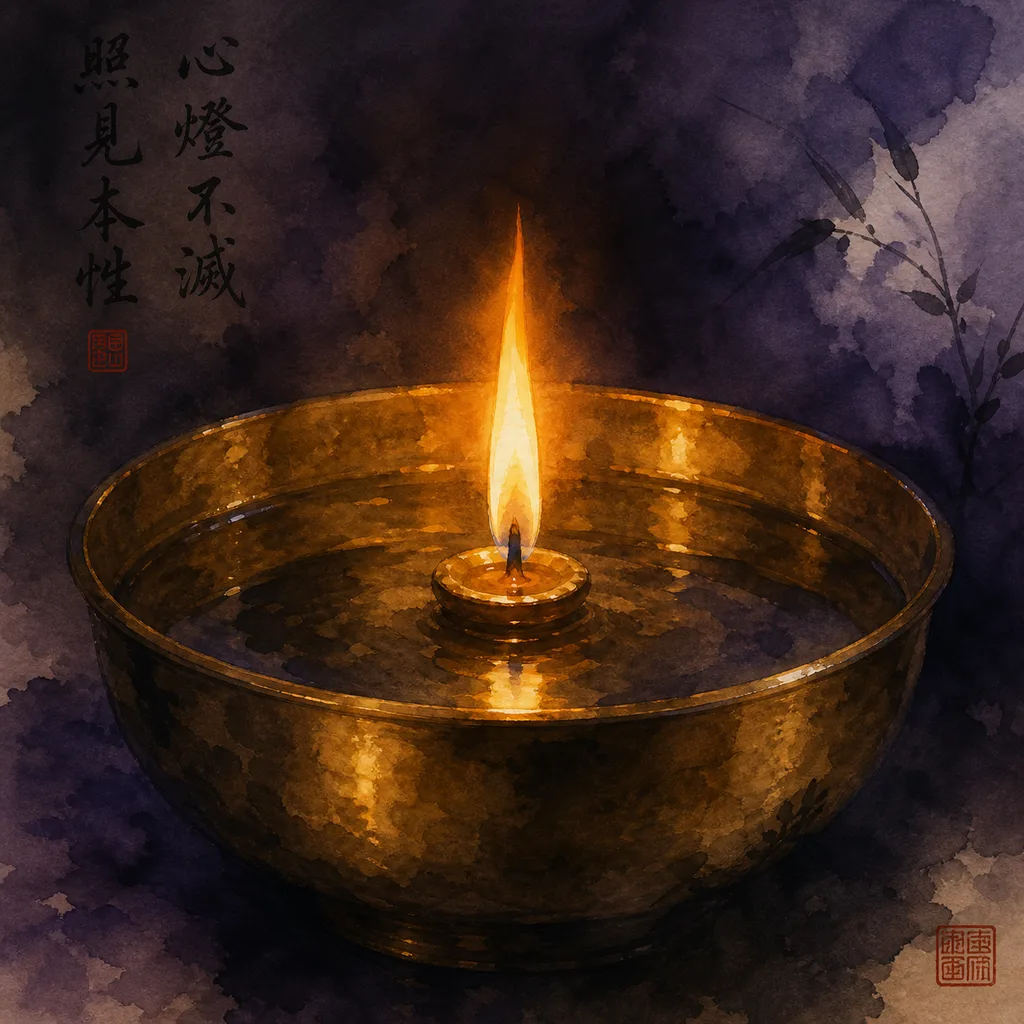
Yin Fire is not a raging blaze but a focused candle flame. Its power lies in consistent, gentle warmth that guides others without blinding, making it a subtle but profound force.
Yin Fire thrives in careers demanding precision and detail. Their work style is independent and methodical; they lead by quiet example and need autonomy to shine their best light.
Like a candle needing wax to burn, Yin Fire must value its own contributions. Recognizing their worth prevents energy drain and ensures their light endures.
Quick Facts: Yin Fire
| Chinese Character | 丁 (Ding) |
| Element | Fire |
| Polarity | Yin |
| Season | Late Summer |
| Direction | South |
| Associated Organ | Heart and Small Intestine |
| Elemental Color | Vermilion |
| Combination | Ren (Yang Water) to transform into Wood energy |
| Clash | Gui (Yin Water) — the mist that would douse the flame |
| I Ching | Hexagram 37 (Jia Ren / The Family) and Hexagram 50 (Ding / The Cauldron) |
The Nature of Yin Fire (Ding)
Ding (丁), the Yin Fire stem, is the candle flame — precise, warm, intimate. Where Bing illuminates landscapes, Ding lights a single room, creating atmosphere and focus. Ding’s time is twilight, the transition hour when lamps are lit and shadows deepen. Ding people carry this lamplight quality: they are contemplative, precise, and deeply attuned to subtleties that the sun’s glare would wash out.
Personality of Yin Fire (Ding) Day Master
Ding Day Masters are the chart’s artisans and analysts, combining fire’s inspiration with yin’s precision. They notice details others miss — the inflection in a voice, the flaw in a plan, the unspoken need in a colleague. Professionally, Ding excels in technical fields, creative crafts, investigative work, and any domain requiring sustained focus and meticulous attention. Socially, they prefer intimate settings over large gatherings, and their friendships tend to be deep and enduring rather than numerous. Their growth challenge is visibility: Ding’s natural modesty can keep their talents hidden, and they must learn to occasionally step into the spotlight rather than always illuminating from behind.
Yin Fire (Ding) in the Four Pillars
Ding in the Year Pillar suggests a family atmosphere of intellectual curiosity and cultivated taste — ancestors who valued learning, art, or skilled craftsmanship. In the Month Pillar, Ding’s focused warmth makes you the expert or specialist whose depth of knowledge attracts clients and collaborators. The Hour Pillar placement points to a retirement filled with creative projects, reading, and the quiet satisfaction of mastering a craft. Ding’s pillar influence is always about depth over breadth — you illuminate one thing thoroughly rather than everything diffusely.
Yin Fire (Ding) Combinations and Interactions
Ding combines with Ren (Yang Water) to transform into Wood — the candle flame meeting the river, their interaction producing luxuriant growth. This combination of opposites (Fire and Water) is one of the most productive in BaZi, producing creative synthesis and emotional depth. Ding clashes with Gui (Yin Water), the gentle rain — this clash creates internal tension between inspiration and melancholy, often producing artists of great sensitivity.
Elemental Relationships
Within the Five Element framework, Ding (丁) carries fire energy in its Yin form. The fire element generates its child (earth) while restraining (metal). Yin fire does this through inward-turning expression of its essence. On the receiving end: wood — Wood feeds Fire, so supportive, growth-oriented environments fuel Fire individuals; the shadow side: water — Water extinguishes Fire, meaning excessive emotional coldness can dampen Fire passion.
Health and Yin Fire (Ding)
The following reflects Traditional Chinese Medicine energetic associations, not clinical medical advice. Ding’s Yin Fire governs the Heart system but at a subtler level than Bing — your cardiac health responds more to emotional equilibrium than to physical exertion. Palpitations, anxiety-related chest tightness, and circulatory issues in the extremities (cold hands and feet) are common when Ding’s flame is flickering rather than steady. In Traditional Chinese Medicine, the recommended balancing practice is regularity: consistent meal times, stable sleep schedules, and creative practices that give your inner flame something worthwhile to illuminate. Ding people benefit enormously from having a focused project or passion that absorbs their precise attention.
Yin Fire in Career and Vocation
Yin Fire Day Masters shine in careers that require precision, attention to detail, and a steady, illuminating presence. Like the candle flame, they thrive in roles where they can focus their light on a specific area, bringing clarity and warmth without overwhelming others. Their work style is methodical and independent; they prefer to master their craft rather than manage large teams. When leading, they guide by example, offering subtle direction rather than forceful commands. When following, they need autonomy and trust to do their best work. Ideal career paths include research, writing, editing, data analysis, traditional Chinese medicine, acupuncture, counseling, design, and any field that values careful observation and refined skill. They excel in environments that respect their need for quiet concentration and allow them to contribute their unique brand of focused illumination.
Yin Fire in Love and Relationships
In love, Yin Fire Day Masters are devoted and attentive, like a candle flame that burns steadily to light the way for a partner. They express affection through thoughtful gestures and quiet support rather than grand declarations. Emotional vulnerability comes slowly; they need to feel safe before revealing their inner world. Their relationship blind spot is a tendency to overgive, burning their own energy to sustain the partnership. Conflict resolution is gentle but persistent — they prefer to address issues calmly and directly, seeking harmony without confrontation. What they need most from a partner is appreciation for their steady warmth and patience with their emotional reserve. A partner who offers stability, emotional openness, and respect for their need for personal space complements them beautifully, creating a balanced and nurturing bond.
Yin Fire and Wealth
These patterns reflect BaZi archetypal tendencies, not financial advice. Wealth for Yin Fire Day Masters accumulates like the steady glow of a candle — slowly, consistently, and with careful attention. They are natural savers who prefer security over risk, building financial stability through disciplined habits rather than speculative ventures. Money flows to them in quiet streams: regular income, thoughtful investments, and occasional windfalls from their refined skills. Their financial psychology is cautious; they dislike debt and avoid flashy spending. The mistake they are prone to is undervaluing their own worth, charging too little for their expertise or hesitating to negotiate. Like the candle flame that needs a steady supply of fuel, they must remember to replenish their resources and invest in their own growth to maintain their financial glow.
The Cultural Significance of Yin Fire
The Chinese character 丁 (Ding) originally depicted a nail or a peg, symbolizing something solid, firm, and essential. In classical BaZi texts, Yin Fire is likened to the flame of a lamp or candle — small but persistent, illuminating the darkness with focused light. This stem is deeply connected to the I Ching hexagram 50, Ding (The Cauldron), which represents transformation through cooking — refining raw materials into nourishment, much as Yin Fire refines ideas into wisdom. Hexagram 37, Jia Ren (The Family), reflects Yin Fire’s role as the hearth fire that warms and sustains the household. In traditional Chinese medicine, 丁 governs the Heart and Small Intestine, organs that regulate circulation and discernment. Culturally, the character 丁 also means ‘adult male’ and appears in the word for ‘population’ (ren ding), underscoring its association with vitality and the core of community life.
Frequently Asked Questions About Yin Fire
What is the personality of a Yin Fire (丁) person?
A Yin Fire person is like a candle flame: focused, warm, and steady. They are detail-oriented, introspective, and gentle, with a natural ability to illuminate subtle truths. They prefer quiet environments and deep relationships over large social circles. Their warmth is contained but genuine, and they can be surprisingly resilient in the face of challenges, much like a flame that refuses to go out in the wind.
What careers are best for Yin Fire Day Masters?
Yin Fire Day Masters excel in careers that require focus, precision, and refined skill. Ideal fields include research, writing, editing, data analysis, traditional Chinese medicine, acupuncture, counseling, design, and any role that values careful observation. They thrive as specialists rather than generalists, and they work best in environments that respect their need for autonomy and quiet concentration.
How does Yin Fire behave in relationships?
In relationships, Yin Fire is devoted and attentive, expressing love through thoughtful gestures and steady support rather than grand romantic displays. They are emotionally reserved at first, needing trust to open up. Their approach to conflict is calm and persistent, seeking harmony without confrontation. They need a partner who appreciates their quiet warmth and gives them space to recharge.
Which Heavenly Stems are compatible with Yin Fire?
Yin Fire (丁) combines with Yang Water to transform into Wood energy, creating a powerful synergistic bond. It also harmonizes well with Yang Wood, which fuels its flame, and Yang Earth, which provides a stable foundation. It clashes with Yin Water, which can extinguish its light, and may struggle with too much Yin Metal, which can overwhelm its delicate energy.
What is the spiritual meaning of Yin Fire in BaZi?
Spiritually, Yin Fire represents the inner light of consciousness — the focused awareness that illuminates truth and wisdom. It is associated with the heart in traditional Chinese medicine, governing love, discernment, and spiritual clarity. In the I Ching, it connects to The Cauldron (Hexagram 50), symbolizing transformation through refinement, and The Family (Hexagram 37), representing the nurturing hearth.
How can a Yin Fire person balance their energy?
A Yin Fire person can balance their energy by ensuring they have enough ‘fuel’ — rest, nourishment, and emotional support. They should avoid overextending themselves, as their tendency to give can deplete their flame. Regular breaks, time in nature, and practices like meditation or qigong help maintain their inner warmth. Water elements (like a small fountain or blue colors) can soothe excess fire, while Wood elements (plants, green) nourish their flame.
More in Heavenly Stems
Yang Wood · Yin Wood · Yang Fire · Yang Earth · Yin Earth · Yang Metal · Yin Metal · Yang Water