
The Roof-Earth Pig
丁亥 (Ding-Hai) · 屋上土 (Roof-Earth) · Fire Stem
The Roof-Earth Pig defines those born in 1947 and 2007 under the Ding-Hai (丁亥) pillar. While mainstream astrology often classifies this year as the Fire Pig based on its Heavenly Stem (丁 = Fire), its deeper NaYin (纳音) resonance is Roof-Earth (屋上土) — blending fire’s core energy with earth’s expressive quality. Defined by a Fire Stem and Water Base, this combination tempers the Pig’s natural sociability with earth’s pragmatism and stability, producing individuals who are grounded, reliable, and highly tolerant, yet prone to conservatism. Their distinctive quality is a quiet resilience, like roof-earth sheltering from storms, providing enduring support rather than flashy action.
A quick map: this is a Fire year by its Heavenly Stem (丁 / Ding), while its NaYin is Roof-Earth (屋上土), a Earth archetype — two parallel systems describing the same pillar, not a contradiction.
Quick Facts
| Years | 1947, 2007 |
| GanZhi | 丁亥 (Ding-Hai) |
| NaYin | Roof-Earth (屋上土 Wu-Shang-Tu) |
| Stem Element | Fire (丁) |
| NaYin Element | Earth (屋上土) |
| Base Element | Water |
| Lucky Numbers | 5, 6, 15, 50 |
| Lucky Colors | Yellow, Brown, Beige |
| Lucky Direction | Center, Southwest, Northeast |
| NaYin Season | Late Summer (transitional) |
| Trine Group | Fourth Trine (Rabbit, Goat, Pig) |
| Sexagenary Position | #24 of 60 in the Jia-Zi cycle |
| Lunar Year Dates | 1947: 1947-01-22 to 1948-02-05 2007: 2007-02-18 to 2008-02-07 |
| Six Harmony (六合) | Tiger — Secret Friend |
| Three Harmony (三合) | Rabbit · Goat · Pig (Wood Trine) |
| Six Clash (六冲) | Snake — Opposing Force |
| Five Element Cycle | Generated by Fire → Earth generates Metal → Controlled by Wood |
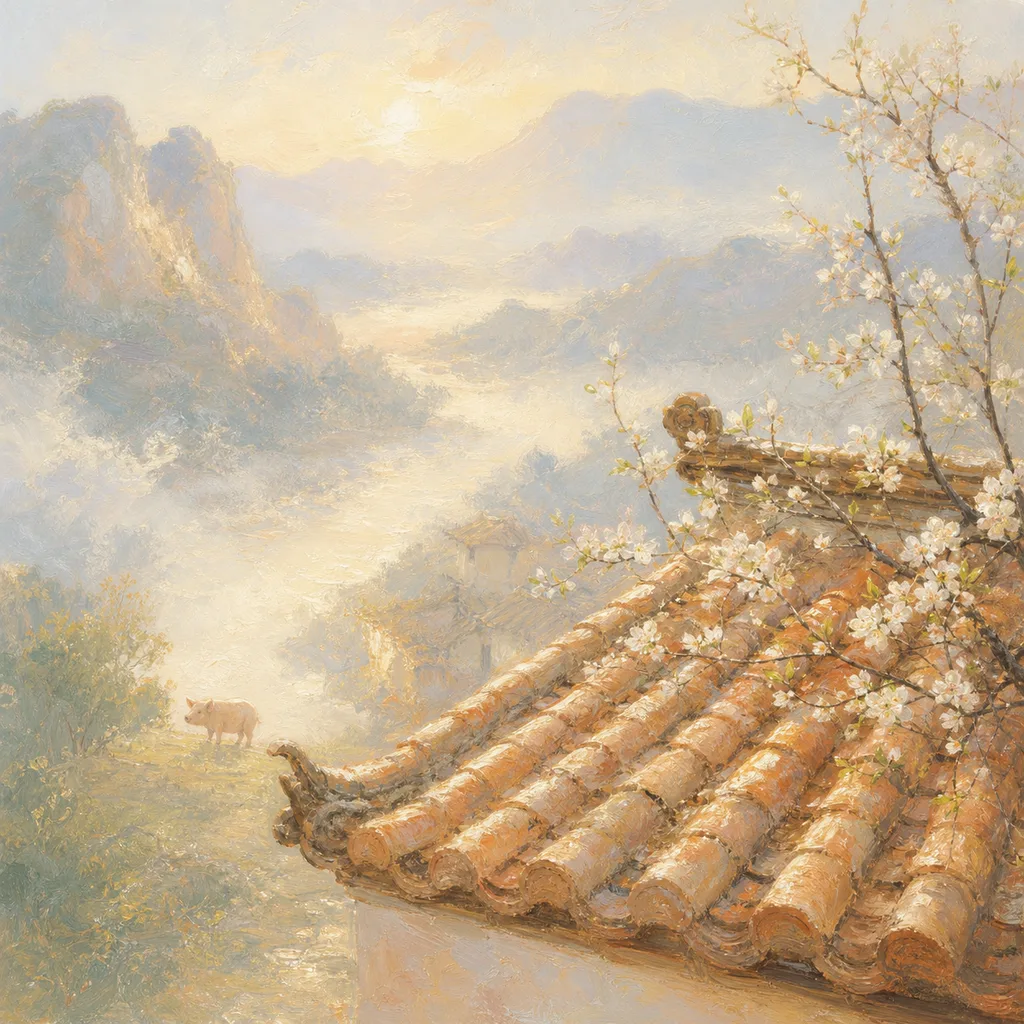
Pig Element Variants Compared
| NaYin Variant | Stem Name | GanZhi | Years | Stem Element |
|---|---|---|---|---|
| Mountain-Fire Pig | Wood Pig | 乙亥 | 1935, 1995 | Wood |
| Roof-Earth Pig | Fire Pig | 丁亥 | 1947, 2007 | Fire |
| Plain-Wood Pig | Earth Pig | 己亥 | 1959, 2019 | Earth |
| Hairpin-Metal Pig | Metal Pig | 辛亥 | 1911, 1971, 2031 | Metal |
| Ocean-Water Pig | Water Pig | 癸亥 | 1923, 1983 | Water |
As roof-earth rises above the clamor, the Roof-Earth Pig offers refuge rather than spectacle. Their generosity is architectural—they build emotional shelters where others feel safe to be themselves. This sincerity isn’t naive; it’s a deliberate choice to create stability. They excel in community organizing, where their warmth coaxes reluctant voices into collaboration. Their edge: they protect without smothering, hosting life’s messiest moments with steady, unshakable grace.
But elevation isolates. Roof-earth can forget it rests on walls—the Pig’s easygoing nature may morph into stubborn detachment, mistaking distance for wisdom. Their sheltering instinct turns controlling when they assume others cannot weather their own storms. The shadow of the rooftop is a refusal to descend: they avoid messy conflicts, leaving cracks unaddressed until rain seeps through. Growth requires remembering that true shelter lets wind pass through.
The NaYin: Roof-Earth (屋上土 Wu-Shang-Tu)
In classical Chinese astrology, each of the 60 year-stem combinations carries a specific NaYin (纳音, “assigned tone”) — a poetic elemental melody refining the Five Elements into 30 archetypes. The Roof-Earth (屋上土) NaYin represents a unique expression of the earth element.
Classical Sources
《三命通会》(Comprehensive Treatise on the Three Fates)
By 万民英 (Wan Minying), Ming Dynasty, 1587 — Volume 30, “On NaYin Elements”:
“屋上土者,埏埴为林,水火既济,盖蔽雪霜之积,震凌风雨之功,此土瓦也。非木无以架之,故以木为根基。”
“丁亥,临官之土,木不能克,嫌金多,须得火生救之,乃吉。忌己亥、辛卯之木。”
Born in January or February?
There are two systems for determining your zodiac year. Folk tradition uses Lunar New Year (late Jan / early Feb). BaZi astrology uses Lichun (立春, Start of Spring, ~Feb 3–5). If your birthday falls in this boundary period, you might belong to the previous sign (Dog) under one system but the Roof-Earth Pig under another. Use our BaZi Calculator to determine your exact pillar based on Lichun.
Core personality traits
Imagine a roof after a night of rain — the clay tiles darkened, water beading on the surface, yet not a single drop seeps through. That is the essence of the Roof-Earth (屋上土, Wu-Shang-Tu) Pig. The Pig’s natural warmth and generosity are here given a firm, impermeable foundation. Where the ordinary Pig might spill their emotions like a flood, this one holds them in a structured reservoir — deep, but not easily stirred. The heavenly stem Ding (丁, fire) sits atop the Pig’s water branch, creating a dynamic where passion simmers beneath a composed exterior. As the Sanming Tonghui (三命通会) notes, this is ‘earth at the stage of officialdom’ — wood cannot overcome it, yet it fears an excess of metal, needing fire to nourish and stabilize. This pairing carries the paradox of the roof: it shelters others generously, but its own weight keeps it grounded, sometimes too much so.
The NaYin image of ‘earth on a rooftop’ is not about raw power but about endurance. This Pig does not charge forward like a tiger or adapt like a monkey; instead, it persists. The earth element tempers the Pig’s indulgences, lending patience and a methodical approach to life’s pleasures. Yet this same earth can harden into stubbornness. When the Roof-Earth Pig sets its mind, it is as immovable as a tiled ridge. They resist change not out of fear, but because their structure feels complete — why renovate what already stands solid? The fire stem, however, adds a hidden spark: beneath the calm exterior, there is a need to be seen, to matter. They build their lives like a roof — not for show, but for function. And when that roof is recognized, their loyalty is absolute.
This is a personality of quiet resilience. The Roof-Earth Pig does not broadcast their strength; they simply endure. They are the friend who never forgets a birthday, the colleague who quietly finishes the project no one else wanted. But there is a melancholy in their stability — a sense that they carry the weight of the house on their shoulders. They must learn that a roof, for all its shelter, also needs the sky above it. Their growth lies in allowing the fire within to breathe, to let passion crack through the clay and remind them that even the sturdiest roof can be beautiful.
Relationships and romance
In love, the Roof-Earth Pig offers a shelter that is both warm and unwavering. Their affection is not a whirlwind but a steady presence — the kind of partner who will build a home with their own hands. The fire stem, Ding (丁), gives their romance a quiet intensity: they do not shout their love, but they show it through acts of service and steadfast support. When they commit, they build a roof over the relationship, protecting it from the storms of life. Their love language is reliability — they remember the small things, show up on time, and never waver in their loyalty.
Yet this very stability can become a cage. The Roof-Earth Pig’s resistance to change makes them slow to open up emotionally. They may offer shelter but hesitate to let anyone truly see the cracks in their own tiles. Their conservatism in love means they are not spontaneous; they plan anniversaries weeks in advance and may struggle with partners who crave adventure. The fire stem, however, yearns for recognition — they need to feel that their efforts are seen and appreciated. Without that warmth, their earth can grow cold. Their best match is the Tiger, whose yang wood energy brings the wind and rain that test and strengthen the roof, while also bringing the spark that keeps the fire alive. They must learn that love is not just about providing shelter, but about letting someone into the house.
Career and professional life
The Roof-Earth Pig’s career path is one of slow, deliberate construction. They excel in fields that require endurance, precision, and a long view — architecture, civil engineering, historical preservation, or any role where they can build something that lasts. The earth element gives them a knack for systems and structure; they are natural project managers who can hold the blueprint in their mind while coordinating dozens of moving parts. The fire stem adds a creative spark — they are drawn to design, to the aesthetic of function. A Roof-Earth Pig might be the architect who insists on both beauty and durability, or the potter who shapes clay into vessels that hold not just water, but meaning.
Their work style is methodical and patient. They do not chase trends or seek quick wins. Instead, they lay each brick with care, knowing that a roof is only as strong as its foundation. This makes them invaluable in research, academia, or any field where persistence trumps flash. However, their vulnerability lies in their conservatism. They can become so attached to their methods that they miss the need for innovation. A Roof-Earth Pig who refuses to update their skills may find themselves trapped under their own roof. The fire stem warns against complacency — they must occasionally let their passion burn through routine, to redesign the house they are building. Careers in renewable energy, sustainable design, or even culinary arts (where fire and earth meet) can channel this need for renewal.
Health and wellbeing
The Roof-Earth Pig’s health is intimately tied to the kidneys and metabolism — the water element’s domain within the Pig. The earth NaYin, however, can dampen this water energy, leading to sluggishness, water retention, or a tendency to hold onto emotional weight. They must guard against stagnation, both physical and emotional. The fire stem, Ding (丁), corresponds to the heart and small intestine, so they may experience issues like hypertension or digestive inflammation if their inner fire is suppressed. The key is balance: too much earth and they become heavy; too much fire and they burn out.
Wellness practices should focus on movement that is both grounding and invigorating. Tai Chi or Qi Gong, with their slow, deliberate forms, mirror the roof’s stability while encouraging the flow of Qi. Hot yoga or a brisk walk in the rain can help the water element flow freely. Dietarily, they should favor warm, cooked foods that support the spleen (earth) — root vegetables, stews, and grains — while avoiding excessive cold or raw foods that dampen the fire. Herbal teas like ginger or cinnamon can stoke the inner flame. Most importantly, they must tend to their emotional reserves: the Roof-Earth Pig carries the weight of the house, but even a roof needs the rain to wash it clean. Regular journaling or meditation can prevent the earth from hardening into resentment.
Wealth and finances
The Roof-Earth Pig’s financial personality is that of a builder, not a speculator. They prefer slow, steady accumulation over risky ventures. The NaYin image of the roof is fitting: they build their wealth layer by layer, like tiles on a house, each one secure and intentional. They are natural savers, often with a rainy-day fund that could weather any storm. The fire stem, however, adds a streak of generosity — they may spend freely on loved ones or on their home, seeing these expenses as investments in their shelter.
Their financial pitfall is conservatism taken too far. They may resist diversifying their assets, clinging to what they know — cash in the bank, a single property — and missing opportunities in stocks or emerging markets. The roof that shelters can also trap. They need to learn that money, like a house, requires maintenance and occasional renovation. A financial advisor who understands their need for stability can help them take calculated risks. The fire stem also warns against impulsive luxury purchases that ‘feel good’ in the moment but drain the reserves. Their wealth grows best when they treat it as a living structure — one that can be expanded, remodeled, and even rented out. With patience and a willingness to let a little wind in, the Roof-Earth Pig can build a fortune that lasts for generations.
Personal growth and development
The Roof-Earth Pig’s greatest growth edge is learning to let the fire within crack the clay. They are so comfortable in their stability that they mistake stillness for strength. But a roof that never feels the wind grows brittle. The Sanming Tonghui hints at this: ‘Wood cannot overcome it, but it fears an excess of metal.’ Metal here represents cutting, change, the sharp edge of transformation. The Roof-Earth Pig must learn to welcome the metal tool — to allow themselves to be reshaped, even if it means breaking old tiles.
A specific practice for them is to schedule a ‘renovation day’ each season — a day to intentionally disrupt their routine. Try a new hobby, take a different route to work, or have a conversation with someone whose worldview challenges their own. This is not about abandoning their nature, but about ensuring their roof remains flexible enough to withstand an earthquake. They should also cultivate the Tiger’s spirit — the Tiger is their Liuhe (六合) partner, and its wood energy can gently push through the earth, bringing new growth. Meditation on the image of a roof that opens to the sky — a skylight — can help them balance shelter with exposure. The extraordinary Roof-Earth Pig is not the one who builds the highest roof, but the one whose home welcomes both the storm and the stars.
Roof-Earth Pig Years
| Year | GanZhi | Type | Details |
|---|---|---|---|
| 1947 | 丁亥 | Roof-Earth Pig | View Profile → |
| 2007 | 丁亥 | Roof-Earth Pig | View Profile → |
Famous Roof-Earth Pigs
Notable figures born in 1947, 2007.
Author of 60+ novels; the Pig's generous output — giving readers worlds to inhabit.
Bodybuilder-turned-actor, Terminator, Governor of California.
Five Grammys; 300M+ records; generous, theatrical extravagance.
Secretary of State; first female presidential nominee of a major party.
First female President of Brazil 2011-2016.
A Six Harmony (六合) match — the secret friend combination, naturally aligned in energy and purpose.
Common questions
What energetic signature defines an Roof-Earth Pig?
The Roof-Earth Pig, born under the 丁亥 (Ding-Hai) pillar, combines the Yin Fire of Ding with the Water of Hai, creating a warm, nurturing energy. The NaYin 屋上土 (Roof Earth) adds a stable, protective quality—like the earth on a rooftop that shelters from rain. This signature makes Roof-Earth Pigs both grounded and adaptable, with a gentle but resilient spirit.
What psychological profile matches the Roof-Earth Pig?
Roof-Earth Pigs are generous, easygoing, and deeply loyal. They value harmony and often put others’ needs first, sometimes to their own detriment. The 屋上土 influence gives them a protective nature, making them reliable friends and partners. However, they can be overly trusting and struggle with boundaries, leading to occasional exploitation.
What family dynamics typically surround an Roof-Earth Pig?
Roof-Earth Pigs are warm and nurturing family members, often acting as the emotional anchor. They prioritize family unity and enjoy creating a cozy home. Their 屋上土 energy makes them protective of loved ones, but they may need to assert themselves to avoid being taken for granted. Those born in 1947 or 2007 often value tradition while embracing modern comforts.
What earning potential do Roof-Earth Pig people typically have?
Roof-Earth Pigs have moderate to strong earning potential, especially in fields requiring care, creativity, or stability. The 屋上土 NaYin suggests wealth built steadily over time, like a roof that shelters accumulating resources. They excel in real estate, hospitality, or the arts. However, their generosity can lead to financial leaks if not managed carefully.
What health considerations should Roof-Earth Pig people keep in mind?
Roof-Earth Pigs should watch for digestive issues and water-element imbalances due to their 丁亥 pillar. The 屋上土 energy may manifest as stiffness in joints or skin conditions. Maintaining a balanced diet and regular exercise is key. Emotional health matters too—their tendency to suppress feelings can lead to stress. Those born in 1947 or 2007 should prioritize rest.
How does the Roof-Earth NaYin relate to prosperity?
The 屋上土 (Roof Earth) NaYin symbolizes protection and accumulation. Like a roof that shields a house, it brings steady, secure wealth rather than flashy gains. Roof-Earth Pigs born in 丁亥 years often prosper through long-term investments, property, or family businesses. This energy favors patience—prosperity builds layer by layer, not overnight.
How can Roof-Earth Pigs overcome their biggest blind spots?
Roof-Earth Pigs’ biggest blind spots are over-trust and difficulty saying no. To overcome these, they should practice setting firm boundaries and verifying others’ intentions before committing. The 屋上土 energy can be harnessed by building a ‘roof’ of self-protection—like creating a personal budget or limiting emotional availability. Meditation or journaling helps them stay grounded.
What feng shui adjustments help Roof-Earth Pigs in 2026?
In 2026 (Fire Horse year), Roof-Earth Pigs benefit from enhancing their Earth element to counterbalance Fire. Place ceramic or stone objects in the center of the home or bedroom. Avoid excessive red; instead, use earthy tones. A small water feature (like a fountain) in the north can harmonize the 丁亥 pillar. Keep the roof area clutter-free to amplify 屋上土 energy.
Why is 1947 called Roof-Earth Pig instead of Fire Pig?
In mainstream Chinese astrology, 1947 is often called the Fire Pig because its Heavenly Stem 丁 (Ding) corresponds to Fire. However, the NaYin (纳音) system — a deeper layer of BaZi analysis — assigns this pillar the Roof-Earth (屋上土) resonance. Both names refer to the same year: the Stem name (Fire Pig) describes its foundational energy, while the NaYin name (Roof-Earth Pig) reveals its poetic-spiritual quality.
Want Your Personal Reading?
Get your complete BaZi chart with all four pillars, NaYin analysis, and life chapters.
Open Free BaZi Calculator →