
The bazi children star is a Ten Gods projection: a male chart reads children from the Officer family (the stems controlling his day master), a female chart from the Output family (the stems she produces). The lookup is mechanical and identical for every chart with the same day stem. Below are the full table, the chain behind the split, the hour-pillar palace, and the limits of the reading.

Key Takeaways
- Male charts: the children stars are the Officer family (Direct Officer and Seven Killings), read classically toward a daughter and a son.
- Female charts: the children stars are the Output family (Eating God and Hurting Officer), and both flavors carry children signal.
- The hour pillar is the classical children palace, the fruit seat of the four-pillar orchard.
- Everything here stays at signal strength: placements and tendencies, never headcounts.
- Find your day stem with the free BaZi calculator, then read your two stems off the table below.
Which Ten God Represents Children: The Two-Family Birth Chart Rule
The answer lives in the Ten Gods, not in the zodiac animals. Our Ten Gods table labels each of the ten stems by its relation to the Day Master (the stem of your day pillar). Two of those roles map to children, split by the chart owner’s gender. A male chart reaches children through the Officer family (官杀, the stems that control the Day Master); a female chart reaches children through the Output family (食伤, the stems the Day Master produces). All of it sits inside the Four Pillars framework, which keeps the lookup mechanical.
What stands out about this rule is the direction of each lookup, not the labels. The male chart reads against the grain, toward stems that press on the Day Master; the female chart reads with it, toward stems it pushes into the world.
One polarity rule runs through the table below. Same polarity gives the Seven Killings in an Officer pair and the Eating God in an Output pair. Opposite polarity gives the Direct Officer and the Hurting Officer.
| Day Master | Children stems, male chart | Children stems, female chart |
|---|---|---|
| Jia (Yang Wood) | Geng, Xin | Bing, Ding |
| Yi (Yin Wood) | Xin, Geng | Ding, Bing |
| Bing (Yang Fire) | Ren, Gui | Wu, Ji |
| Ding (Yin Fire) | Gui, Ren | Ji, Wu |
| Wu (Yang Earth) | Jia, Yi | Geng, Xin |
| Ji (Yin Earth) | Yi, Jia | Xin, Geng |
| Geng (Yang Metal) | Bing, Ding | Ren, Gui |
| Xin (Yin Metal) | Ding, Bing | Gui, Ren |
| Ren (Yang Water) | Wu, Ji | Jia, Yi |
| Gui (Yin Water) | Ji, Wu | Yi, Jia |
Two facts make the table reliable. Every element holds exactly 2 of the 10 Heavenly Stems, and the same 60 pairings of the sexagenary cycle back every row, so no column comes up empty. The rows hold for every birth year our engine covers, 1900 to 2100. The next two sections take one family each.
Children Stars in a Male Birth Chart: The Officer Family
In a male chart, the children stars are the two stems that control the day master, always exactly 2 of the 10. The classical convention reads the opposite-polarity controller, the Direct Officer (正官), toward a daughter, and the same-polarity controller, the Seven Killings (七杀), toward a son. Both statements stay at tendency strength.
Polarity is the sorter. It is the same yin-yang logic the Internet Encyclopedia of Philosophy outlines for Chinese cosmology: like presses like for the Killing, unlike presses unlike for the Officer. For a Jia (Yang Wood) day master, Geng (Yang Metal) presses with the same polarity and lands as the Seven Killings. Xin (Yin Metal) presses from the opposite side and lands as the Direct Officer.
When I read a chart for a children question, I find these two stems first and ask where they sit second. In my reading, a child-role stem sitting loose reads differently from one pressed by its own controller, and those placements belong to whole-chart territory. If your day stem is Jia, your pair is Geng and Xin; every other row works the same way.
Children Stars in a Female Birth Chart: The Output Family
In a female chart, the children stars are the two stems the day master produces, the Output family (食伤). The classical convention reads the same-polarity output, the Eating God (食神), toward a daughter, and the opposite-polarity output, the Hurting Officer (伤官), toward a son, both flavors carrying children signal. For a Jia (Yang Wood) day master, the pair is Bing (Yang Fire) as the Eating God and Ding (Yin Fire) as the Hurting Officer.
Classical San Ming Tong Hui (《三命通会》) readings, cross-checked against our tables, hold the division in one sentence. The officer line serves as the children line in a man’s chart; the output line serves in a woman’s. The son-and-daughter polarity split is where lineages diverge. The table above carries the assignment our library uses.
Some schools flip the son and daughter labels inside each family. In my practice notes on family charts, the two-direction rule settles more arguments than the polarity split does. The family-level constant, Officer for him and Output for her, is the part every lineage shares. The lookup itself never moves.
Why Two Families: The Chain Behind the Birth Chart Split
The split looks arbitrary until the chart’s own family tree walks it out. Classical reading assigns the wife star to what a man controls, the Wealth element, and children continue that line one generation later: what the wife star generates becomes his Officer stars. For a Jia day master that chain runs Earth generates Metal, the Officer element, which is why the male chart reads children from the controlling family.
The female chart walks a shorter road. What the Day Master produces is the next generation by definition, so the Output family carries children directly; for a Jia day master that line runs as Wood generates Fire. Two steps for him, one step for her, and the same five-element cycle powers both walks. Both roads end at the same orchard, where the palace layer takes over.
Where the Children Star Sits: The Hour Pillar in a Birth Chart
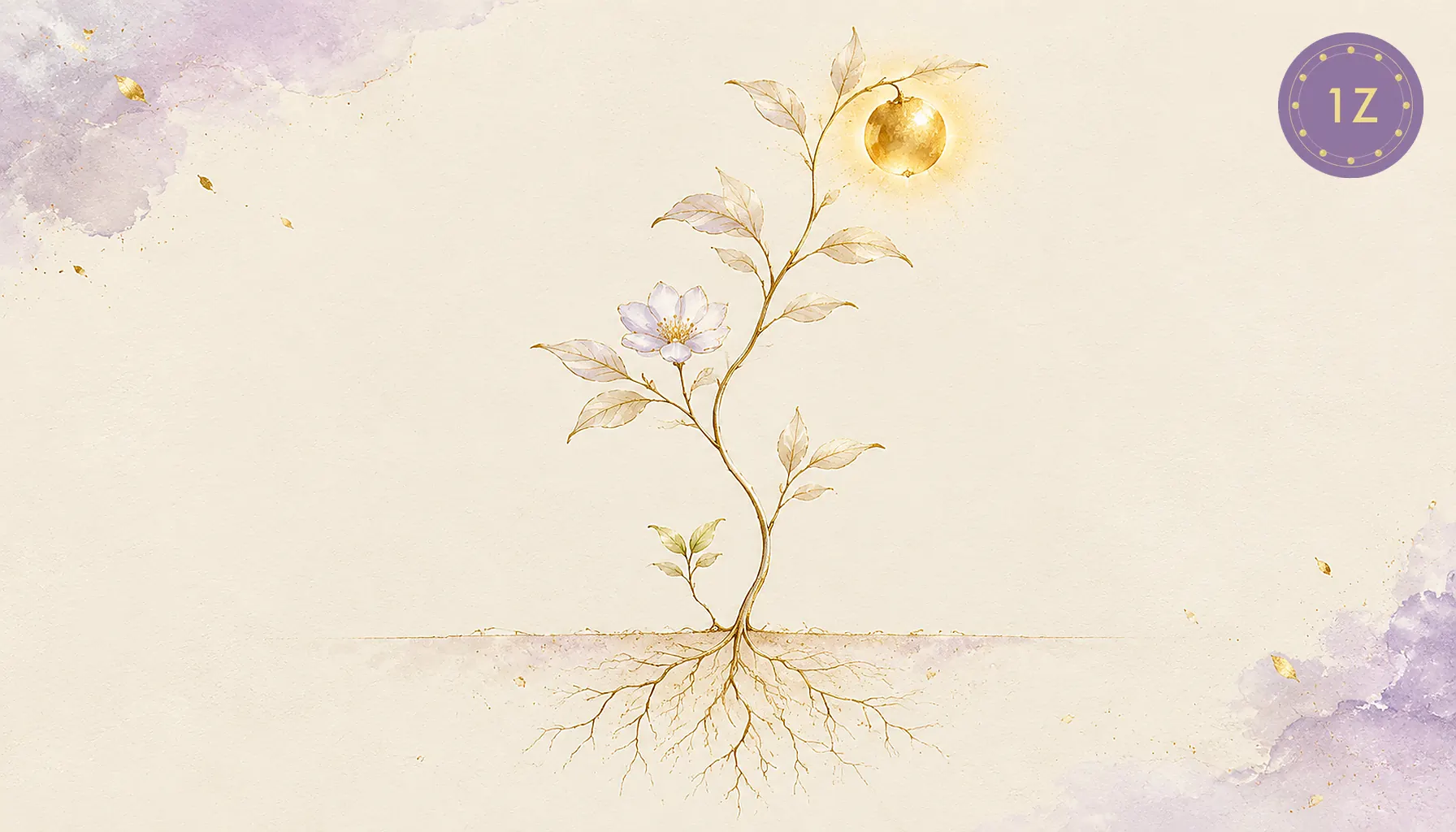
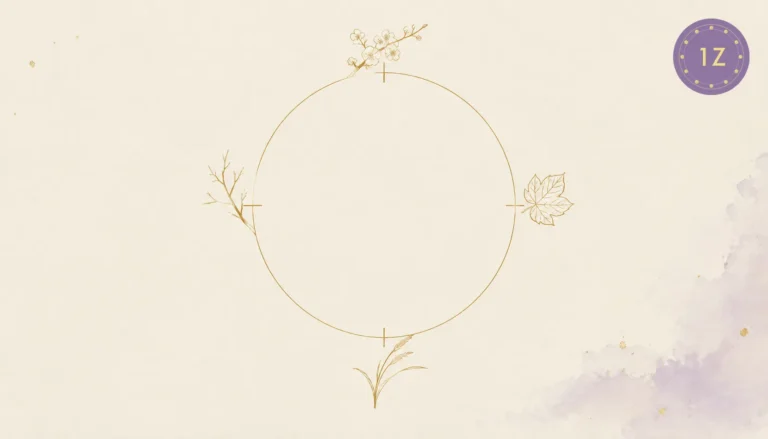
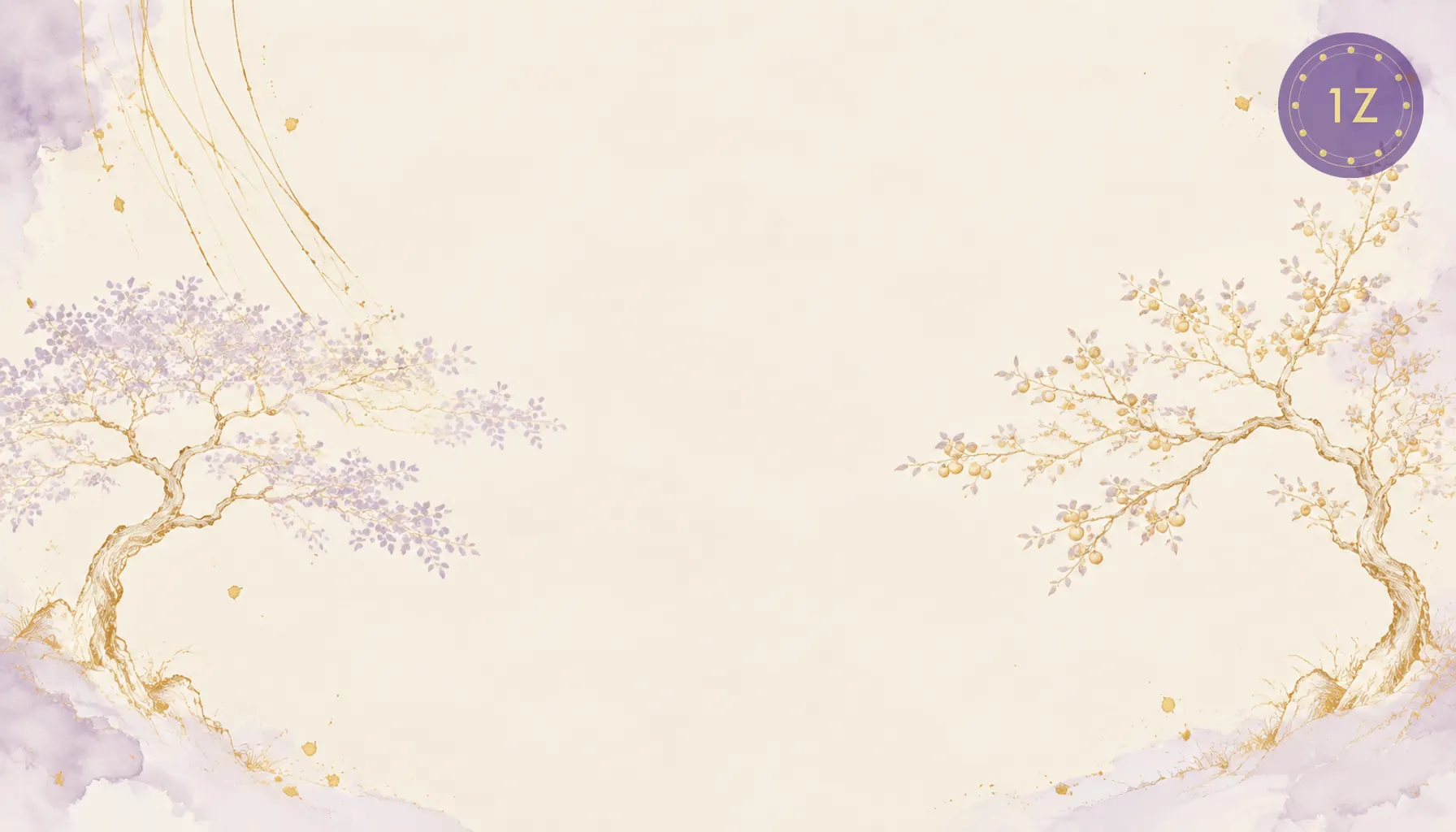
Classical commentators compare the four pillars to one tree across a life: the year is the root, the month the sprout, the day the flower, the hour the fruit. That makes the hour branch the children palace. The star layer says which stems play the child roles; the palace layer says where the theme lives.
| Pillar | Classical domain | Life stage (approximate) | Orchard image |
|---|---|---|---|
| Year | grandparents, roots, extended family | about 1-16 | root |
| Month | parents, siblings, career frame | about 17-32 | sprout |
| Day | self (stem) and spouse (branch) | about 33-48 | flower |
| Hour | children, later years, private circle | about 49 and after | fruit |
Age bands vary by school; the domain mapping is the fixed part. A children star in the hour pillar puts star and palace in one seat, classically read as the theme running smooth. Elsewhere the star still counts, sometimes stored inside a branch, which our hidden stems guide maps branch by branch. As you read your own chart, take the star for the relation and the palace for the position.
What a Bazi Children Star Cannot Tell You
The star layer holds three hard limits: it does not count children, does not time births, and does not describe an actual child. What it supports is signal reading: where children-themed energy classically sits, in which flavor, and against which palace.
Year-animal comparison, the layer our Chinese zodiac guide covers, looks at two year branches only. Most pairs carry no classical bond there: 48 of 78 pairs (62%) hold no classic branch relationship under our 78-pair scoring framework, documented on our methodology page. The ten-god layer never comes back empty; every day stem owns its two child-role stems by construction.
A Dragon father and Dog son in our case files show the seam: the pair forms the Chen-Xu Six Clash, and our framework scores the pairing 38 out of 100 (the compatibility hub lists every pair score). Both branches are Earth, so the friction read as competitive similarity, and it eased once the family split territories instead of sharing authority.
In my experience, parents relax fastest when they read the two layers as separate instruments rather than competing verdicts. I tell parents the same thing whenever this topic comes up: the chart locates the theme, and daily life fills in the rest. The animal layer describes a temperamental weather between two people; the star layer describes where the tradition looks first in one chart. Neither hands anyone a due date.
Is the bazi children star the same as a children planet in Western astrology?
The bazi children star is not a children planet, because bazi runs on stems and branches rather than planets. Its children star is a defined relation to your day master rather than a body in the sky. Western astrology reads children from the fifth house, which modern practice also ties to pleasure and creativity; bazi splits the theme across a relational star layer and a positional palace layer at the hour branch. Your chart’s child-role stems exist by construction, two per chart gender, so the question is never whether a children star exists but which stems play it and where they sit.
Does the bazi children star really tell you how many children you will have?
A bazi children star does not really tell you how many children to expect, and the framework never supported the leap from star to headcount. The star marks a theme’s location and flavor. The number of children in a life depends on biology, choice, and circumstances no pillar contains. Classical lines did argue over count methods, some reading the strength of the children star and some the support the hour branch receives, and the schools still disagree. The pattern that emerges is that a chart supports placement questions: your two child-role stems, their flavor split, and the condition of the children palace under them.
Do the bazi children stars change with the movement of luck pillars and annual years?
The bazi children stars do not change, because the day master is fixed at birth and the child-role stems follow from it mechanically for life. What changes is the weather around them: luck pillars and annual stems can arrive carrying the same flavors as your child-role stems, and classical readers treat such years as the theme visiting rather than a verdict. In 2026, the Bing Wu (丙午) year, the year stem Bing is Yang Fire. For a Jia Wood day master, that stem lands as the Eating God, one of the two female-chart children stems in the table above. A single annual stem working alone reads as a mild thematic signal.
Conclusion
The children star is one of the cleanest mechanical lookups in bazi: male charts read the Officer family, female charts the Output family. Both answers sit two stems from your day master in the table above. What the star means for an actual family is a fuller-chart conversation, kept at signal strength on purpose. Find your day stem in seconds with our free BaZi calculator, then read your two stems and their palace.
Sources
- Four Pillars of Destiny (Wikipedia): backs the Day Master framework and the Ten Gods role labels.
- Wuxing / Five Elements (Wikipedia): backs the generation and control directions the two-family rule runs on.
- Yin and Yang (Internet Encyclopedia of Philosophy): backs the polarity logic behind the Direct Officer and Seven Killings split.